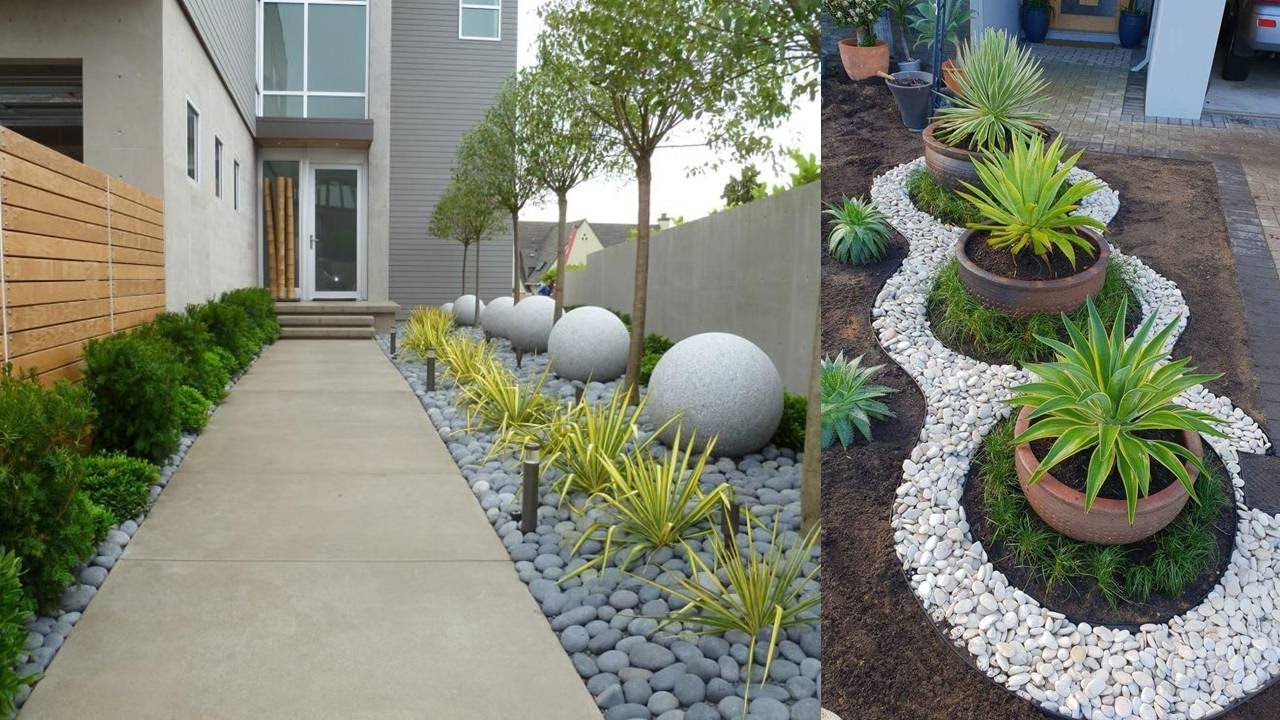
Modern landscape design is an evolving field that combines aesthetics, functionality, and sustainability to create outdoor spaces that enhance the beauty and value of homes. It?s more than just arranging plants and placing stones; it’s about crafting an environment that mirrors the homeowner’s lifestyle while being mindful of the ecological impact. Whether you are starting from scratch or renovating an existing landscape, understanding the principles of modern design can transform your outdoor area into a stunning and practical living space.
Understanding the Basics of Modern Landscape Design
At the core of modern landscape design lies simplicity and elegance. Here are the fundamental principles to keep in mind:
- Minimalism: Use fewer elements to create a clean and uncluttered look.
- Functionality: Design spaces that serve specific purposes, such as entertaining or relaxing.
- Harmony with Nature: Choose native plants to ensure sustainability and low maintenance.
- Balance: Maintain a balance between hardscapes and softscapes for visual appeal.
Discover expert strategies here to integrate these principles effectively.
Design Elements to Consider
Hardscaping
Hardscaping involves the non-living elements of landscape design such as:
- Paths and walkways: Define movement and flow within the space.
- Patios and decks: Provide areas for entertainment and relaxation.
- Retaining walls: Add structure and can be used to manage slopes.
Learn about our tailored solutions to incorporate these elements efficiently by visiting this page.
Softscaping
Softscaping includes all the living horticultural elements of the design. Consider:
- Plant Selection: Choose plants that are native to the area for easier maintenance.
- Color Schemes: Utilize a palette that complements the home?s exterior.
- Seasonal Interest: Incorporate perennials and annuals for year-round color.
Explore advanced guides and tips on selecting and maintaining plants by clicking here.
Incorporating Technology and Sustainability
Modern landscape design is not just about aesthetics; it?s also about integrating technology and sustainability:
- Smart Irrigation Systems: Use technology to conserve water and reduce waste.
- LED Lighting: Enhance safety and ambiance while being energy-efficient.
- Rainwater Harvesting: Collect and use rainwater to nurture plants.
Find out more about this approach by visiting this link.
Conclusion
Crafting a modern landscape design is an art that requires a balance between nature, technology, and personal aesthetics. By understanding the principles and elements of modern design, homeowners can create functional, beautiful, and sustainable outdoor spaces. For those seeking professional guidance or more comprehensive resources, explore detailed options here.
About the Author