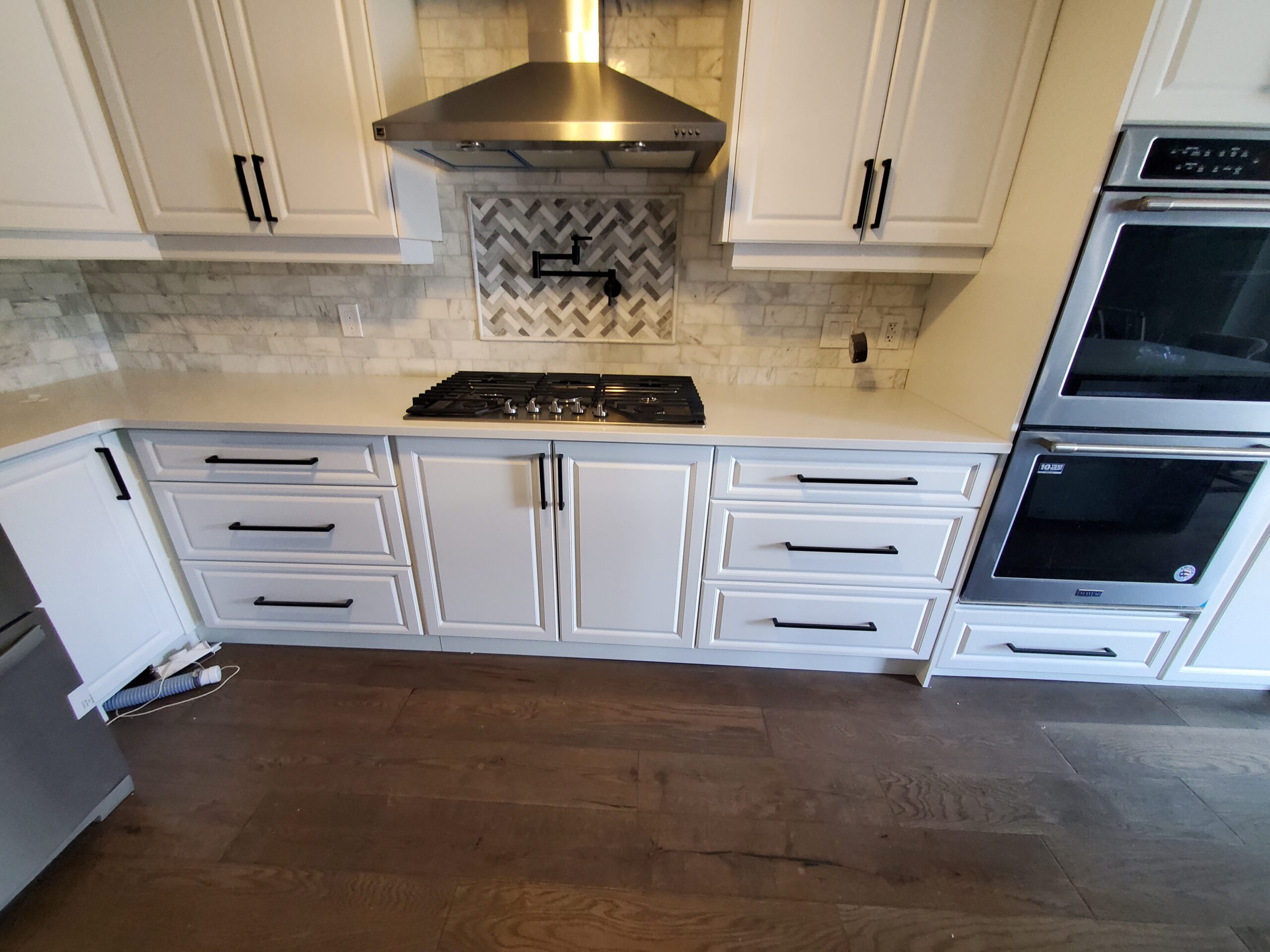
In a world where mass production often overshadows artisanal skill, custom blacksmith services stand as a testament to the enduring allure of craftsmanship. Blacksmithing, steeped in tradition and history, is an art form that continues to evolve, offering bespoke creations that marry functionality with aesthetic beauty. The resurgence of interest in custom blacksmithing speaks volumes about the value placed on unique, handcrafted items that are tailored to meet individual specifications and tastes. This article delves into the world of custom blacksmith services, exploring their significance, applications, and the meticulous process involved in creating these masterpieces.
Understanding Custom Blacksmith Services
Custom blacksmith services encompass a wide range of offerings that go beyond the typical metalworking tasks. These services involve the creation of unique, handcrafted metal items, each one a product of skilled artistry and precise engineering. This craftsmanship is not limited to decorative items but extends to functional pieces that serve various purposes.
Applications of Custom Blacksmithing
Custom blacksmithing can be applied in numerous contexts, including but not limited to:
- Architectural Elements: Gates, railings, and doors that are not only functional but also enhance the aesthetic appeal of buildings.
- Interior D??cor: Custom fixtures, chandeliers, and furniture that add a unique character to interiors.
- Tools and Hardware: Personalized tools and hardware that are crafted to exact specifications for optimal performance.
- Artistic Sculptures: Metal sculptures that serve as focal points in gardens or public spaces.
For a deeper understanding of these applications, read more about this topic.
The Art and Process of Blacksmithing
The creation of a custom piece begins with a vision, either from the client or the blacksmith. This vision is then translated into a design, which serves as the blueprint for the creation process. The blacksmith utilizes a variety of tools and techniques, each chosen for its ability to shape and mold the metal into the desired form.
Key Steps in the Blacksmithing Process
- Design and Consultation: Initial discussions to understand the client’s needs and preferences.
- Material Selection: Choosing the right type of metal that suits the design and intended use.
- Forging: Heating the metal to a pliable state and shaping it with hammers and anvils.
- Finishing: Techniques such as polishing, coating, or patination to enhance durability and appearance.
Each step is crucial to ensuring the final product meets the highest standards of quality and craftsmanship. Learn more in this detailed guide about the intricacies involved in blacksmithing.
The Value of Custom Blacksmithing
Custom blacksmithing transcends mere utility, offering distinct advantages that set it apart from mass-produced items.
Some of these benefits include:
- Uniqueness: Each piece is one-of-a-kind, reflecting the individuality of the owner.
- Durability: Handmade items are often more robust and longer-lasting than their machine-made counterparts.
- Personalization: The ability to tailor designs to specific tastes and requirements.
- Sustainability: Often involves the use of recycled materials and traditional techniques that minimize environmental impact.
For those seeking to add a personal touch to their surroundings, explore further insights here on how custom blacksmithing can transform spaces.
Conclusion
Custom blacksmith services represent craftsmanship at its finest, where the fusion of creativity, skill, and tradition culminates in works of art that are both functional and beautiful. Whether for architectural enhancements or personal expression through art, the bespoke nature of blacksmithing ensures that each creation is as unique as the individual it is crafted for. The enduring appeal of custom blacksmithing lies in its ability to transcend time, offering pieces that are not only structurally sound but also imbued with a timeless elegance. Find additional information here to discover the endless possibilities that custom blacksmithing holds.
About the Author