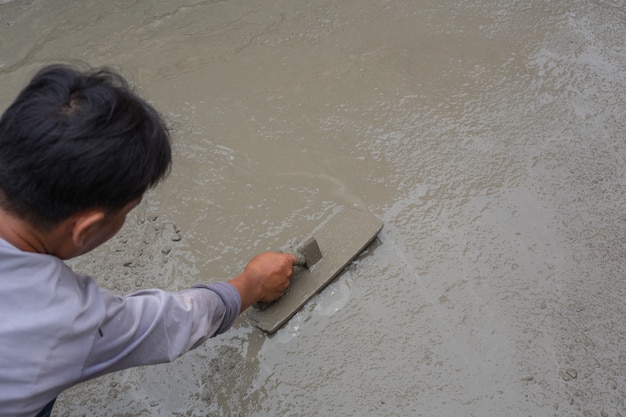
Roof waterproofing is an essential aspect of maintaining the integrity and longevity of any building structure. As the first line of defense against harsh weather conditions, a well-waterproofed roof ensures protection from water infiltration, which can lead to significant structural damage over time. By investing in high-quality waterproofing solutions, property owners can avoid costly repairs and extend the lifespan of their roofing systems, ultimately preserving the value of their investment.
Understanding the Benefits of Roof Waterproofing
Implementing effective roof waterproofing strategies offers numerous advantages that contribute to both the short-term and long-term durability of a building. These benefits include:
- Protection against water damage: Waterproofing prevents leaks that can cause mold growth, wood rot, and structural weakening.
- Enhanced energy efficiency: A waterproofed roof reduces thermal loss, leading to lower energy bills and a more comfortable indoor environment.
- Preservation of structural integrity: By preventing water infiltration, waterproofing protects the building’s foundation and structural components.
- Increased property value: A well-maintained roof with effective waterproofing can enhance the market value of a property.
To Discover expert strategies here for implementing these benefits effectively.
Different Types of Roof Waterproofing Solutions
There are several waterproofing options available, each offering unique properties suitable for different types of roofs and environmental conditions. Understanding these options can help in selecting the most appropriate solution.
Liquid Applied Membranes
Liquid applied membranes involve the application of a liquid coating that cures to form a seamless, water-resistant barrier. This method is ideal for roofs with complex shapes and penetrations. Explore advanced guides and tips on this approach.
Sheet Membrane Systems
Sheet membranes are pre-formed sheets that are adhered to the roof surface. They provide excellent protection against water infiltration and are often used for flat or low-slope roofs. Learn about our tailored solutions with sheet membranes.
Bituminous Waterproofing
Bituminous waterproofing uses asphalt-based materials to create a durable and long-lasting water barrier. This method is particularly effective for roofs exposed to extreme weather conditions. Find out more about this approach and its benefits.
Key Considerations Before Investing in Roof Waterproofing
Before embarking on a roof waterproofing project, several factors should be considered to ensure the effectiveness and longevity of the solution:
- Assessment of current roof condition: Conduct a thorough inspection to identify existing damage or vulnerabilities.
- Selection of appropriate materials: Choose materials that are compatible with the roof type and environmental conditions.
- Professional installation: Engage skilled professionals to ensure proper application and adherence to industry standards.
- Regular maintenance: Implement a maintenance plan to monitor the condition of the waterproofing and address any issues promptly.
For more detailed guidance, Explore advanced guides and tips on effective waterproofing practices.
Conclusion
Investing in roof waterproofing is a crucial step in safeguarding a building’s structural integrity and enhancing its longevity. By choosing the right waterproofing solution and ensuring proper installation and maintenance, property owners can protect their investments from the damaging effects of water infiltration. For those seeking durable and reliable waterproofing services, Learn about our tailored solutions to meet specific needs and conditions.
About the Author