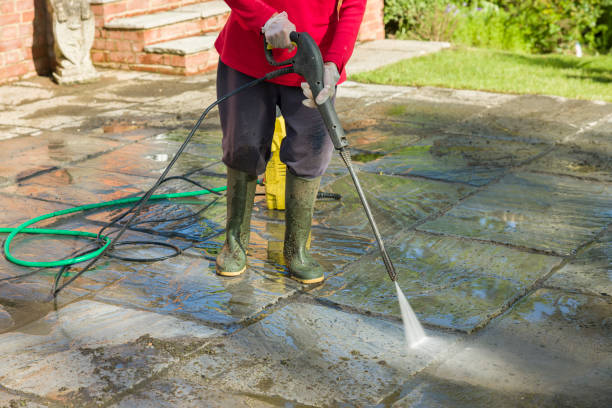
Over time, fences accumulate dirt, algae, mildew, and weather-induced stains that can diminish the curb appeal of any property. Pressure cleaning offers a fast, efficient, and environmentally friendly method to rejuvenate wooden, metal, or vinyl fences, extending their lifespan while enhancing the overall aesthetic of the surrounding landscape. By understanding the process, selecting appropriate equipment, and following best-practice safety guidelines, homeowners can achieve professional-grade results without compromising the integrity of the fence material.
Why Pressure Cleaning Is Effective for Fence Restoration
Pressure cleaning employs a high-velocity stream of water to dislodge contaminants that traditional scrubbing often cannot reach. The technique provides several distinct advantages:
- Deep cleaning power: Water pressure penetrates surface grime, algae, and mold, removing them at the source.
- Time efficiency: Large sections can be cleaned in minutes rather than hours of manual labor.
- Cost savings: Reduces the need for chemical cleaners and expensive professional services.
- Environmental friendliness: Uses only water, minimizing chemical runoff.
For a deeper dive into the benefits of pressure cleaning, Read more about this topic.
Preparing Your Fence for Pressure Cleaning
Assess the Fence Material
Different fence materials react uniquely to high pressure. Before beginning, identify whether the fence is wood, metal, vinyl, or composite, and adjust the pressure settings accordingly to avoid damage.
Gather Essential Tools and Safety Gear
- Pressure washer with adjustable PSI (typically 1500-2500 PSI for fences)
- Soft-bristle brush or nozzle with a wide spray pattern
- Protective eyewear and waterproof gloves
- Drop cloths or tarps to protect nearby plants and surfaces
Detailed guidance on selecting the right equipment can be found by Learn more in this detailed guide.
Step-By-Step Pressure Cleaning Process
- Clear the area: Remove any d??cor, planters, or obstacles that could be affected by water spray.
- Pre-wet the fence: Apply a gentle spray to loosen loose debris and reduce splatter.
- Apply cleaning solution (optional): For stubborn stains, use a biodegradable detergent compatible with pressure washers.
- Start at the top: Work downward, maintaining a consistent distance (about 12-18 inches) between the nozzle and the surface.
- Use overlapping strokes: Ensure each pass overlaps the previous one by roughly 50% for uniform cleaning.
- Rinse thoroughly: Switch to a pure-water setting to remove any remaining detergent.
- Inspect and touch up: Look for areas that may need a second pass or gentle hand-scrubbing.
For additional troubleshooting tips and common pitfalls, Explore further insights here.
Post-Cleaning Care and Maintenance
After the fence has been pressure cleaned, proper maintenance helps preserve the renewed appearance:
- Apply a protective sealant: For wooden fences, a clear sealant can guard against moisture and UV damage.
- Schedule regular inspections: Check for early signs of rot, rust, or fading at least twice a year.
- Implement routine cleaning: Light rinses with a garden hose can prevent buildup between deep cleanings.
- Trim nearby vegetation: Keeping plants away from the fence reduces the risk of mold and algae growth.
Comprehensive maintenance strategies are discussed further at Find additional information here.
Environmental and Safety Considerations
While pressure cleaning is generally safe, it is important to follow environmental best practices:
- Use only biodegradable cleaning agents to protect soil and water sources.
- Avoid high-pressure settings on delicate surfaces to prevent splintering or corrosion.
- Wear hearing protection if the pressure washer operates above 80 dB.
- Never point the spray at electrical outlets, light fixtures, or living beings.
Conclusion
Fence pressure cleaning stands out as an effective, economical, and eco-friendly solution for restoring the visual appeal of a property. By preparing the surface, selecting the correct equipment, following a systematic cleaning routine, and implementing post-cleaning maintenance, homeowners can enjoy a revitalized fence that enhances both curb appeal and property value. For those seeking deeper insights into the technique, the resources linked throughout this article provide valuable, context-specific information.
About the Author