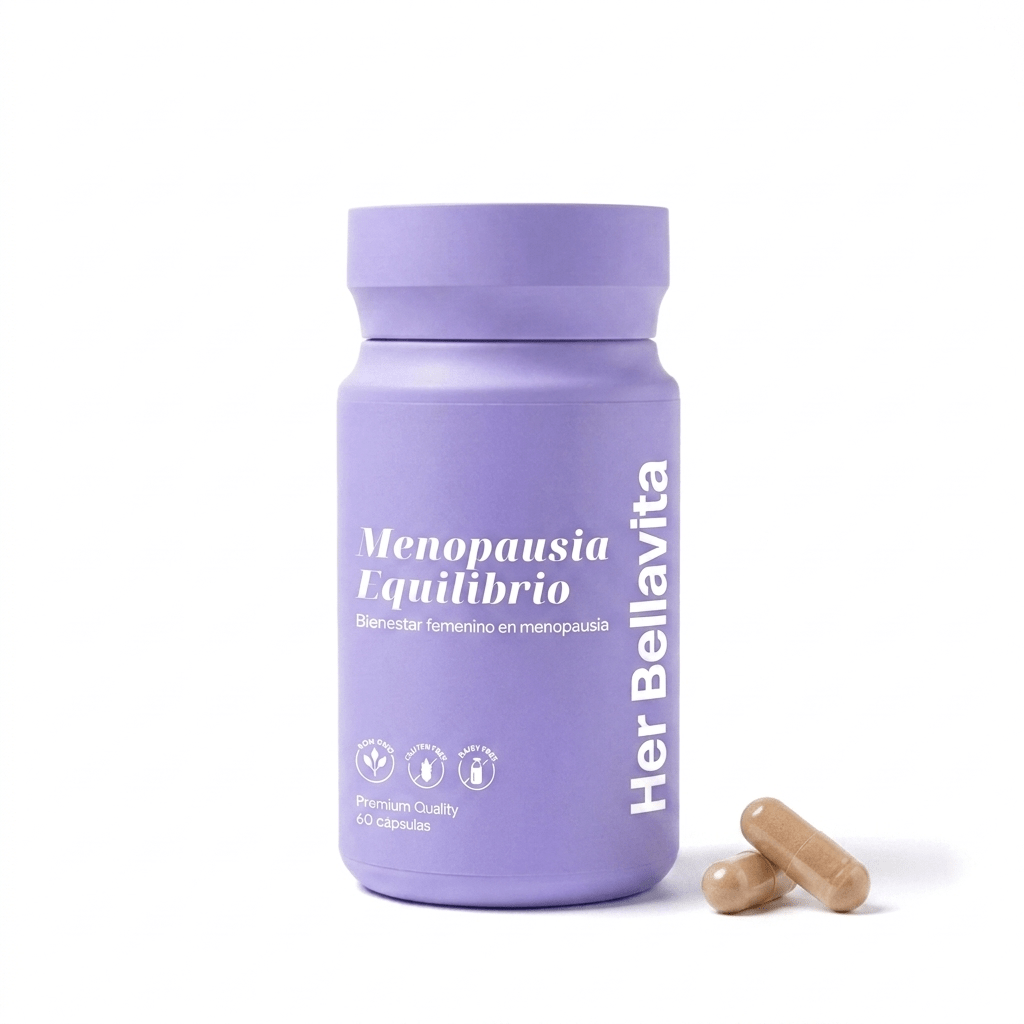
Menopause marks a significant transition in a woman’s life, often accompanied by a range of physical and emotional symptoms. While hormone therapy remains a common approach, many women seek gentle, plant-based alternatives that support the body’s natural balance. Below is a curated list of the top five natural remedies that have shown consistent benefits for managing hot flashes, mood swings, sleep disturbances, and other menopause-related concerns.
1. Phytoestrogen-Rich Foods
Phytoestrogens are plant compounds that mimic estrogen’s activity in the body, helping to alleviate hormonal fluctuations. Incorporating these foods into daily meals can provide a steady, mild estrogenic effect without the risks associated with synthetic hormones.
- Soy products – tofu, tempeh, and edamame are excellent sources.
- Flaxseeds – ground flaxseed can be added to smoothies, oatmeal, or baked goods.
- Legumes – lentils, chickpeas, and beans supply both protein and phytoestrogens.
- Whole grains – oats and barley contribute additional fiber and nutrients.
Regular consumption of these foods not only supports hormone balance but also promotes cardiovascular health, which becomes increasingly important after menopause.
2. Herbal Supplements
Several botanicals have a long history of use for menopausal relief. When selecting a supplement, quality and standardized extracts are essential to ensure efficacy. A reputable source offers a suplemento natural menopausia that combines these herbs in clinically studied dosages.
Key Herbs and Their Benefits
- Black cohosh (Cimicifuga racemosa) – May reduce the frequency and intensity of hot flashes.
- Red clover (Trifolium pratense) – Contains isoflavones that help stabilize mood and improve sleep quality.
- Dong quai (Angelica sinensis) – Traditionally used in Chinese medicine to support uterine health and alleviate menstrual-like discomfort.
- Evening primrose oil – Rich in gamma-linolenic acid, it can ease breast tenderness and skin dryness.
For those preferring a convenient format, pastillas menopausia are formulated to deliver consistent dosages of these botanicals, making daily adherence simple.
3. Lifestyle Adjustments
Small, sustainable changes in daily habits can dramatically reduce menopause symptoms.
- Temperature regulation – Keep the bedroom cool, use breathable fabrics, and carry a portable fan for sudden hot flashes.
- Regular physical activity – Weight-bearing exercises, yoga, and brisk walking improve bone density and release endorphins that stabilize mood.
- Mind-body practices – Meditation, deep-breathing exercises, and tai chi lower cortisol levels, which can lessen night sweats.
- Hydration and diet – Limit caffeine, alcohol, and spicy foods; increase water intake to support skin elasticity.
4. Nutrient Support
Specific vitamins and minerals play a pivotal role in mitigating menopausal discomfort.
- Vitamin D & Calcium – Essential for bone health; aim for 800-1000 IU of vitamin D daily and 1,200 mg of calcium.
- Magnesium – Helps relax muscles and improve sleep; foods like pumpkin seeds, dark chocolate, and leafy greens are good sources.
- Vitamin B-complex – Supports energy metabolism and can reduce irritability.
- Omega-3 fatty acids – Anti-inflammatory properties aid in mood regulation; fatty fish, chia seeds, and walnuts are beneficial.
When dietary intake is insufficient, a high-quality suplemento para la menopausia can fill the gaps, ensuring the body receives the nutrients it needs during this transition.
5. Targeted Natural Remedies
Beyond broad herbal blends, certain single-ingredient remedies have earned scientific backing for specific symptoms.
Hot Flashes
- Black seed oil (Nigella sativa) – Contains thymoquinone, which may modulate thermoregulation.
- Vitamin E – Antioxidant that has been shown to reduce the number of daily hot flashes.
Mood Swings & Anxiety
- St. John’s Wort (Hypericum perforatum) – Helps balance serotonin levels, offering mild antidepressant effects.
- Ashwagandha (Withania somnifera) – An adaptogen that lowers stress hormones and promotes emotional stability.
Sleep Disturbances
- Valerian root – Promotes relaxation and improves sleep onset.
- Melatonin – Regulates circadian rhythms; a low dose (0.5-1 mg) is often sufficient for menopausal women.
These focused options can be incorporated into a personalized regimen, especially when paired with a comprehensive suplementos para la menopausia that addresses multiple symptoms simultaneously.
Integrating Natural Strategies Safely
While natural remedies are generally well-tolerated, it is important to consider potential interactions with prescription medications, especially blood thinners or thyroid treatments. Consulting a healthcare professional before beginning any new supplement ensures safety and optimal results.
Conclusion
Managing menopause does not have to rely solely on conventional hormone therapy. By embracing phytoestrogen-rich foods, high-quality herbal blends, lifestyle modifications, targeted nutrients, and specific natural remedies, women can experience smoother transitions with fewer disruptive symptoms. For those interested in a convenient, science-backed approach, exploring a reputable remedios naturales para la menopausia can provide an effective complement to daily self-care practices.
About the Author