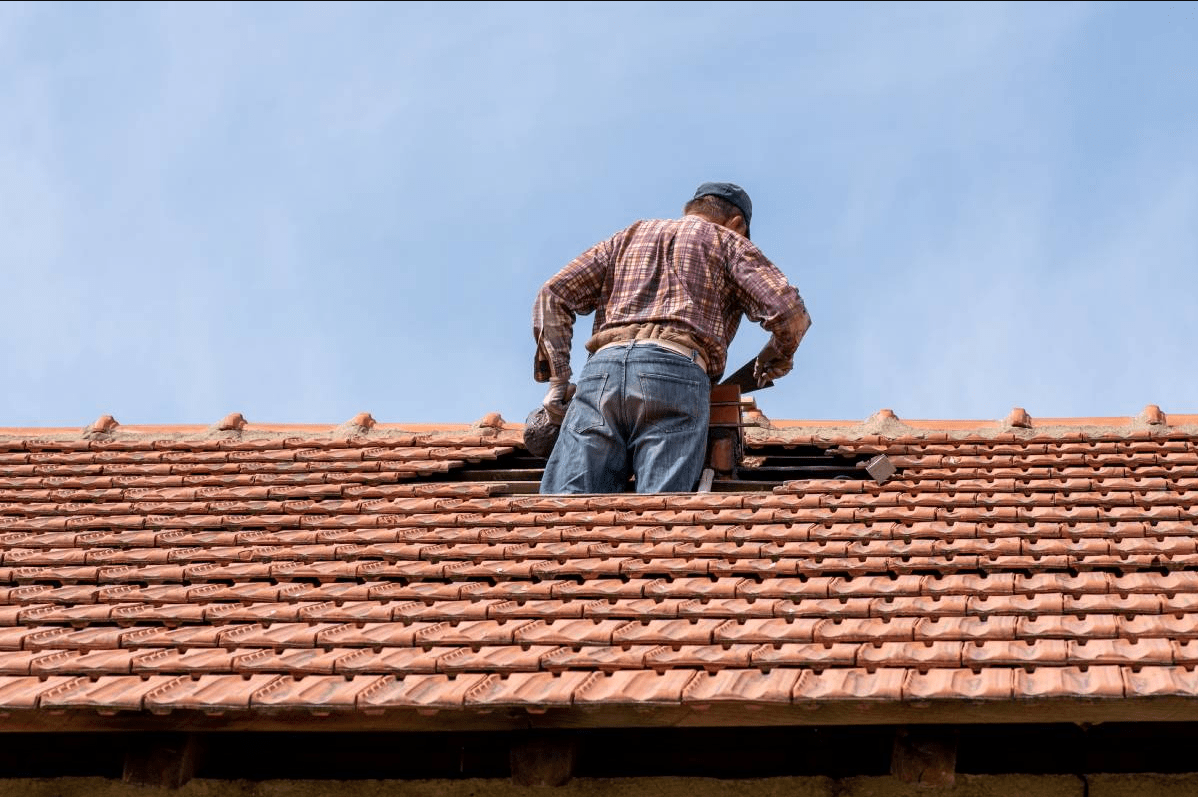
The longevity of a roof is a critical factor in maintaining the structural integrity and value of a building. A durable roof membrane coating can significantly extend the lifespan of a roof, providing both aesthetic and functional benefits. Understanding the importance of roof membrane coatings and their application can assist homeowners and facility managers in making informed decisions about roof maintenance. This article delves into the various aspects of roof membrane coatings, their benefits, and considerations for choosing the right coating solution.
What is Roof Membrane Coating?
Roof membrane coating is a protective layer applied to the roof’s surface, designed to enhance its durability and performance. This coating acts as a barrier against environmental elements such as UV radiation, moisture, and temperature fluctuations. The application of a roof membrane coating can significantly reduce the need for frequent repairs and replacements, ultimately saving costs in the long run. Read more about this topic.
Types of Roof Membrane Coatings
There are several types of roof membrane coatings available, each with its unique properties and benefits:
- Acrylic Coatings: Known for their excellent UV resistance and ease of application, acrylic coatings are popular in regions with high sun exposure.
- Silicone Coatings: These offer superior water resistance and are ideal for areas with heavy rainfall. Silicone coatings are also known for their longevity.
- Polyurethane Coatings: Offering robust protection against physical wear and tear, polyurethane coatings are well-suited for high-traffic roof areas.
- Asphalt Coatings: Commonly used for compatibility with asphalt-based roofing materials, providing a cost-effective solution.
Explore further insights here.
Benefits of Roof Membrane Coating
Applying a roof membrane coating offers numerous benefits, which are essential for both residential and commercial properties:
- Enhanced Durability: The coating extends the roof’s lifespan by protecting it against harsh weather conditions.
- Energy Efficiency: Reflective coatings reduce heat absorption, leading to lower energy costs for cooling.
- Cost Savings: Reduced maintenance and repair needs translate to long-term savings.
- Environmental Impact: Some coatings are environmentally friendly, reducing the carbon footprint.
Find additional information here.
Considerations for Choosing Roof Membrane Coating
When selecting a roof membrane coating, several factors should be taken into account:
Climate and Weather Conditions
The local climate plays a significant role in determining the most suitable type of coating. For instance, regions with high UV exposure may benefit more from acrylic coatings, while areas with frequent rainfall might require silicone coatings.
Roof Material Compatibility
It is essential to choose a coating that is compatible with the existing roofing material. Incompatibility can lead to adhesion issues and reduced effectiveness. Learn more in this detailed guide.
Application and Maintenance
The ease of application and the level of maintenance required are also critical considerations. Some coatings may require professional application, while others can be applied as a DIY project.
Conclusion
Investing in a durable roof membrane coating is a strategic decision that can enhance the longevity and performance of a roof. By choosing the right type of coating and considering factors such as climate, material compatibility, and maintenance, property owners can ensure a robust and sustainable roofing solution. For those interested in exploring more about roof membrane coatings and their benefits, find additional insights here.
About the Author