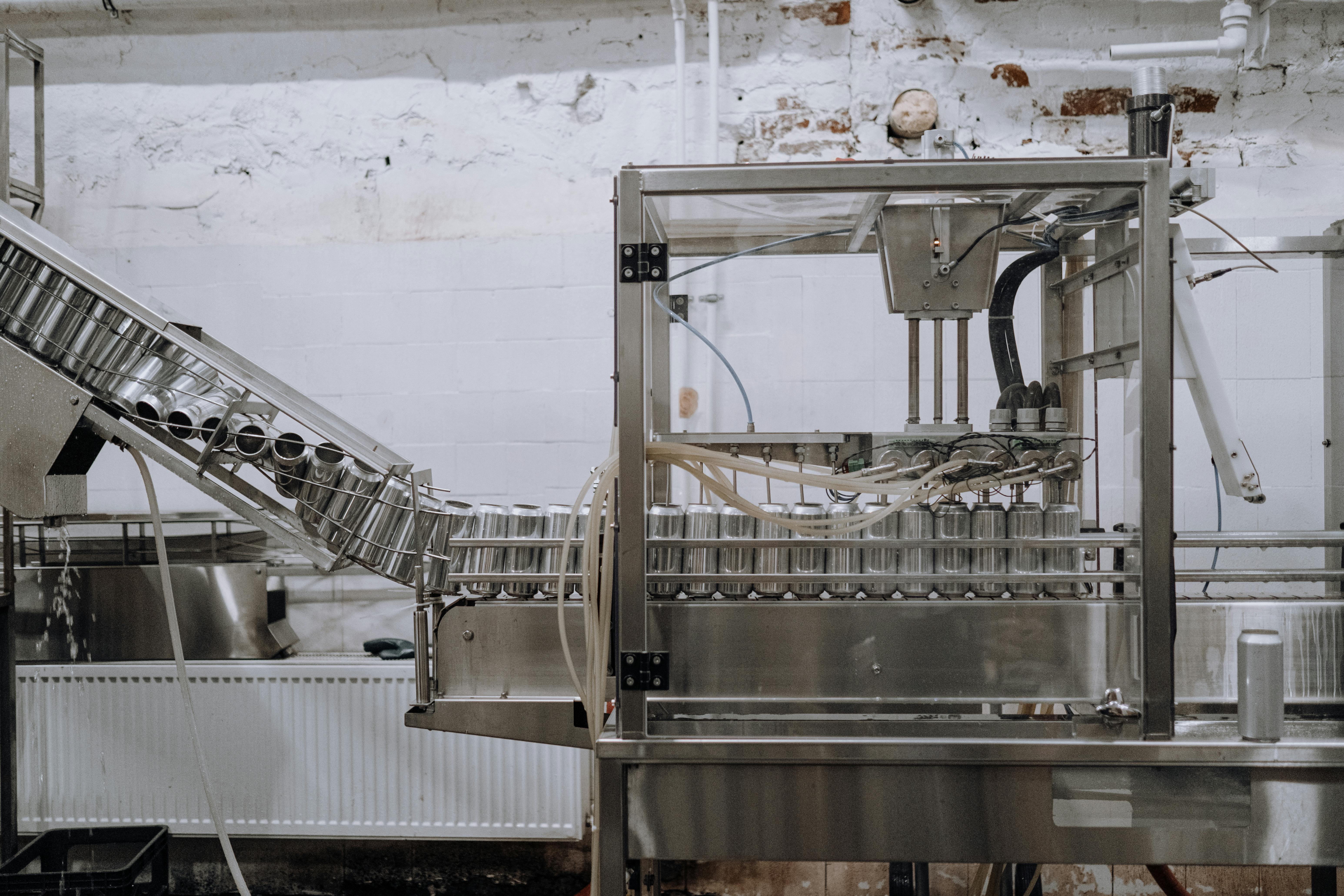
In the world of industrial manufacturing and logistics, conveyor belts play a pivotal role in ensuring efficient material handling. These systems are essential in various industries, from mining and automotive to food processing and pharmaceuticals. The design and specification of industrial conveyor belts are critical to optimizing productivity and achieving operational excellence. Understanding the fundamental components and considerations in their design aids in selecting the right system for specific applications. This overview provides insights into the key aspects of industrial conveyor belts, highlighting essential design elements and specifications to consider.
Understanding Conveyor Belt Design
The design of an industrial conveyor belt involves multiple factors that need careful consideration to ensure optimal performance. To design an effective conveyor belt system, the following components and parameters must be assessed:
- Material Type and Characteristics: Understanding the properties of the material to be conveyed is crucial. Factors such as weight, size, temperature, and abrasiveness can influence belt selection and design.
- Belt Width and Length: The width and length of the belt should match the operational requirements and the spatial constraints of the facility.
- Load Capacity: The conveyor system must be designed to handle the maximum load it will encounter during operations. Overloading can lead to mechanical failures and increased maintenance costs.
- Speed of Operation: The speed at which materials are conveyed impacts both efficiency and safety. The design process should consider the optimal speed for the specific application.
- Environmental Conditions: Environmental factors such as humidity, temperature, and exposure to chemicals can affect the choice of materials and coatings for the belt.
Key Specifications for Conveyor Belts
Selecting the right specifications for a conveyor belt involves balancing performance requirements with cost-effectiveness. Some key specifications include:
- Tensile Strength: This determines the maximum stress the belt can withstand before breaking. High tensile strength materials are ideal for heavy-duty applications.
- Flexibility: The ability of the belt to bend and flex without damage is crucial for applications involving curves or inclines.
- Durability: Resistance to wear and tear extends the service life of the belt, reducing downtime and replacement costs.
- Surface Texture: The texture of the belt surface can impact material grip and control. Smooth surfaces are best for delicate items, while textured surfaces are suited for bulk materials.
- Safety Features: Incorporating safety features such as anti-slip surfaces and emergency stop mechanisms can enhance operational safety.
Advanced Design Considerations
Advanced conveyor belt systems incorporate technology and design innovations to enhance performance and adaptability. Learn about our tailored solutions for advanced conveyor belt systems here.
Automation and Integration
Modern conveyor systems often integrate with automated processes and control systems. This integration facilitates real-time monitoring and adjustments, improving efficiency and reducing human error. Discover expert strategies here.
Energy Efficiency
Energy efficiency is a growing consideration in conveyor belt design. Systems that minimize energy consumption can reduce operational costs and environmental impact. Explore advanced guides and tips on energy-efficient systems here.
Conclusion
In conclusion, the design and specification of industrial conveyor belts are integral to the successful operation of material handling systems. By considering factors such as material characteristics, belt specifications, and advanced design elements, companies can optimize their conveyor systems for superior performance. Find out more about this approach here.
About the Author