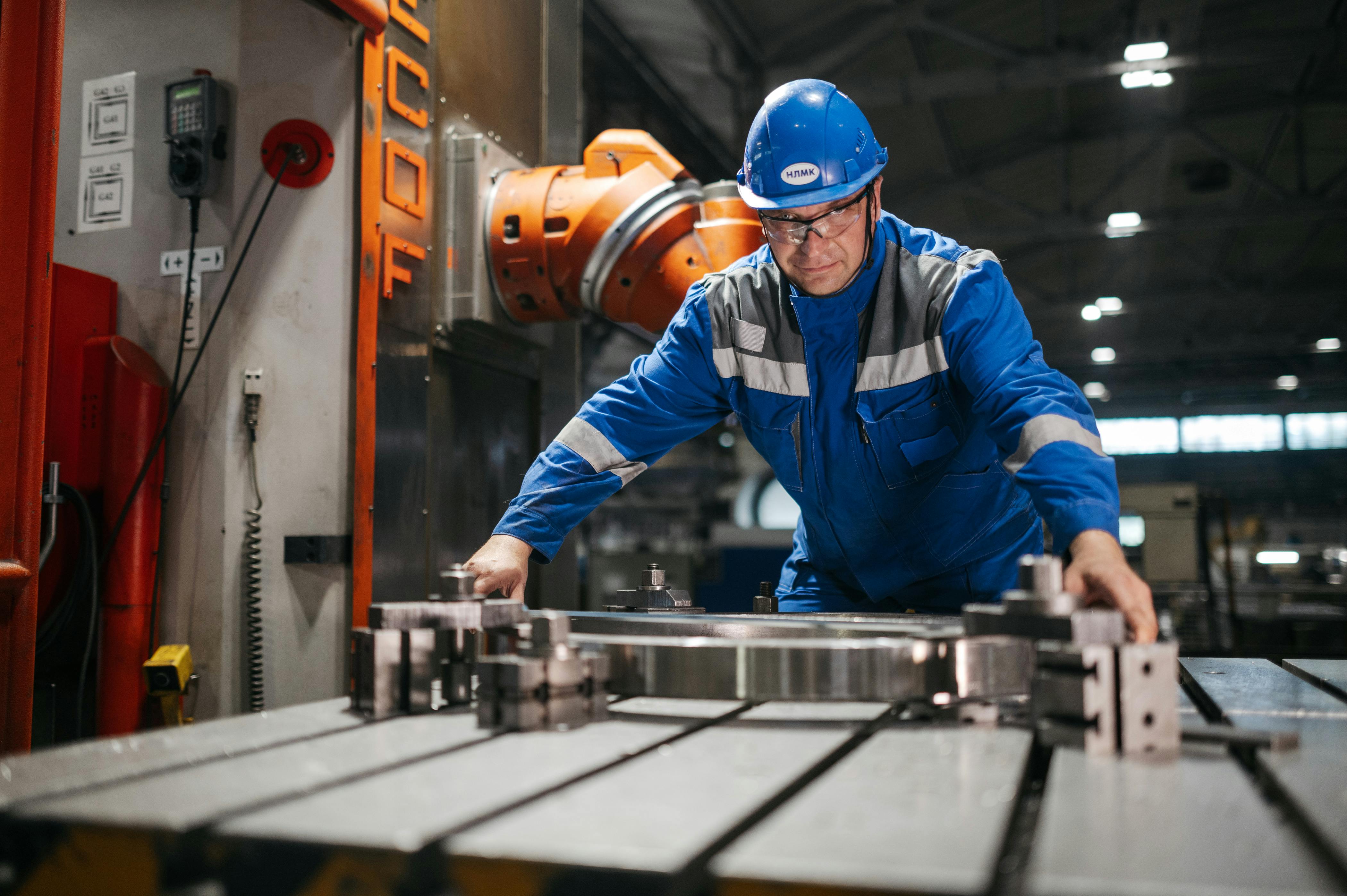
In the evolving world of manufacturing, maximizing efficiency is not just an option but a necessity for staying competitive. As industries face increasing pressure to reduce costs and improve productivity, effective manufacturing process improvement strategies have become crucial. With advancements in technology, manufacturers are now equipped with the tools and methodologies to streamline operations, minimize waste, and enhance overall output quality.
Assessing Current Processes
Before implementing any changes, it is imperative to understand the current state of operations. Conducting a thorough analysis of existing processes provides insights into areas needing improvement. This assessment can highlight:
- Bottlenecks slowing down production
- Redundant steps causing inefficiencies
- Areas with high defect rates
Engaging a manufacturing operations consulting expert can be beneficial in identifying these improvement areas with precision.
Implementing Lean Manufacturing Principles
Lean manufacturing has long been recognized as a potent methodology for enhancing efficiency. By focusing on value creation and eliminating waste, lean principles help streamline operations. Key lean strategies include:
- Just-in-time production to reduce inventory costs
- 5S system for workplace organization
- Continuous improvement (Kaizen) practices
Partnering with a lean manufacturing consulting firm can ensure these principles are effectively applied, tailored to the specific needs of a manufacturing environment.
Leveraging Technology for Process Automation
Automation technology can significantly enhance manufacturing efficiency by reducing manual intervention and increasing precision. Key areas where technology can be leveraged include:
- Robotic process automation for repetitive tasks
- Advanced manufacturing systems for real-time data monitoring
- Predictive maintenance using IoT and AI
The integration of these technologies not only enhances productivity but also improves the quality and consistency of the final product.
Fostering a Culture of Continuous Improvement
A successful manufacturing operation is one that embraces a culture of continuous improvement. Encouraging employees at all levels to contribute ideas for process improvement can lead to innovative solutions. Some strategies include:
- Regular training and workshops for skill enhancement
- Incentive programs for innovative ideas
- Feedback mechanisms for frontline staff
By fostering an environment where change is welcomed, manufacturers can sustain improvements and adapt quickly to market changes.
Conclusion
Maximizing efficiency in manufacturing requires a strategic approach that combines assessment, lean principles, technology, and a culture of continuous improvement. As the industry advances, adopting these strategies ensures manufacturers remain competitive and responsive to market demands. For businesses seeking to enhance their manufacturing processes, exploring manufacturing process improvement options is a critical step towards achieving operational excellence.
About the Author