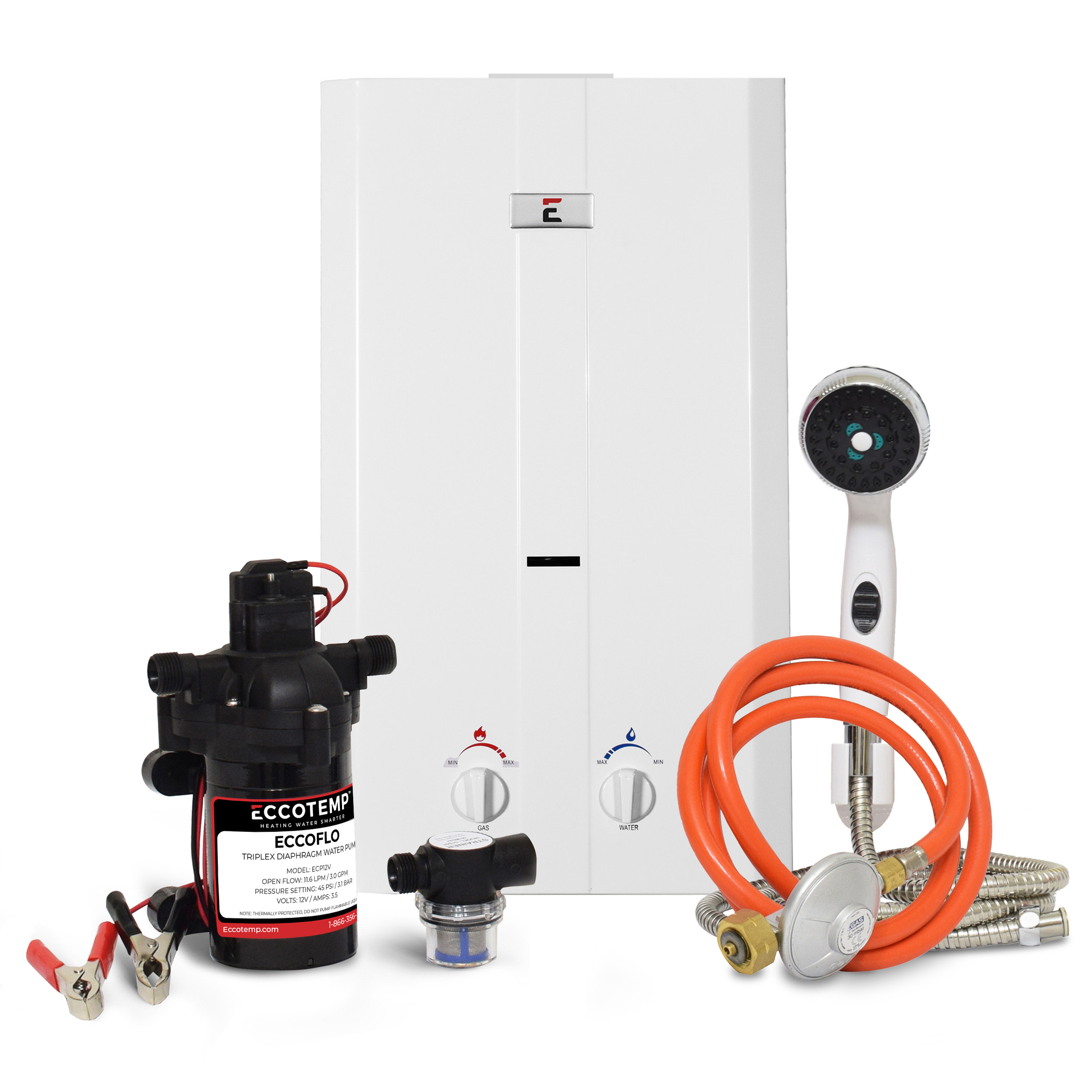
Smart water heaters have become increasingly popular in recent years, not only for their energy efficiency but also for their compact size and ease of installation. However, improper installation and maintenance can lead to reduced performance, increased energy consumption, and even safety hazards. In this article, we will provide you with expert strategies for installing and maintaining your smart water heater, ensuring optimal performance and longevity.
Understanding Your Smart Water Heater
Before diving into installation and maintenance, it’s essential to understand the basics of your smart water heater. This device uses advanced technology to heat water only when needed, making it an excellent choice for households with high hot water demands. However, its complex design and digital controls require proper understanding and handling. To gain a deeper understanding of your smart water heater’s capabilities and limitations, refer to the user manual or explore advanced guides and tips on the web, such as those found on Discover expert strategies here.
Pre-Installation Checklist
Before commencing the installation process, ensure you have the necessary tools and materials. This includes a level, wrench, and pipe cutter, among others. Additionally, consult the manufacturer’s guidelines for specific requirements and recommendations. If you’re unsure about any aspect of the installation, consider consulting a professional for guidance. For a comprehensive list of installation requirements and recommendations, visit Learn about our tailored solutions for a more detailed explanation.
Installation Steps
1.
Begin by shutting off the main water supply to the household and disconnecting the power supply to the smart water heater.
2.
Next, carefully remove any existing water heater and dispose of it according to local regulations.
3.
Mount the smart water heater to the wall using the provided brackets and ensure it is level and secure.
4.
Connect the water supply lines to the smart water heater, following the manufacturer’s instructions for proper connections.
5.
Finally, connect the power supply and test the device to ensure it is functioning correctly.
Maintenance and Repair
Regular maintenance is crucial to extending the lifespan of your smart water heater and ensuring optimal performance. This includes cleaning the device, checking for leaks, and replacing worn-out parts. For a detailed guide on maintenance and repair, consult the user manual or explore online resources, such as those found on Find out more about this approach.
Common Issues and Solutions
*
Leaks: Check the connections and ensure they are secure. If the issue persists, consult a professional for assistance.
*
Incorrect temperature: Adjust the temperature settings according to your needs, and ensure the device is functioning correctly.
*
Power issues: Check the power supply and ensure it is stable. If the issue persists, consult a professional for assistance.
Conclusion
Smart water heaters offer numerous benefits, including energy efficiency and compact size. However, improper installation and maintenance can lead to reduced performance and safety hazards. By following the expert strategies outlined in this article, you can ensure optimal performance and longevity for your smart water heater. Remember to consult the user manual and online resources, such as Discover expert strategies here, for more detailed information and guidance.
About the Author


