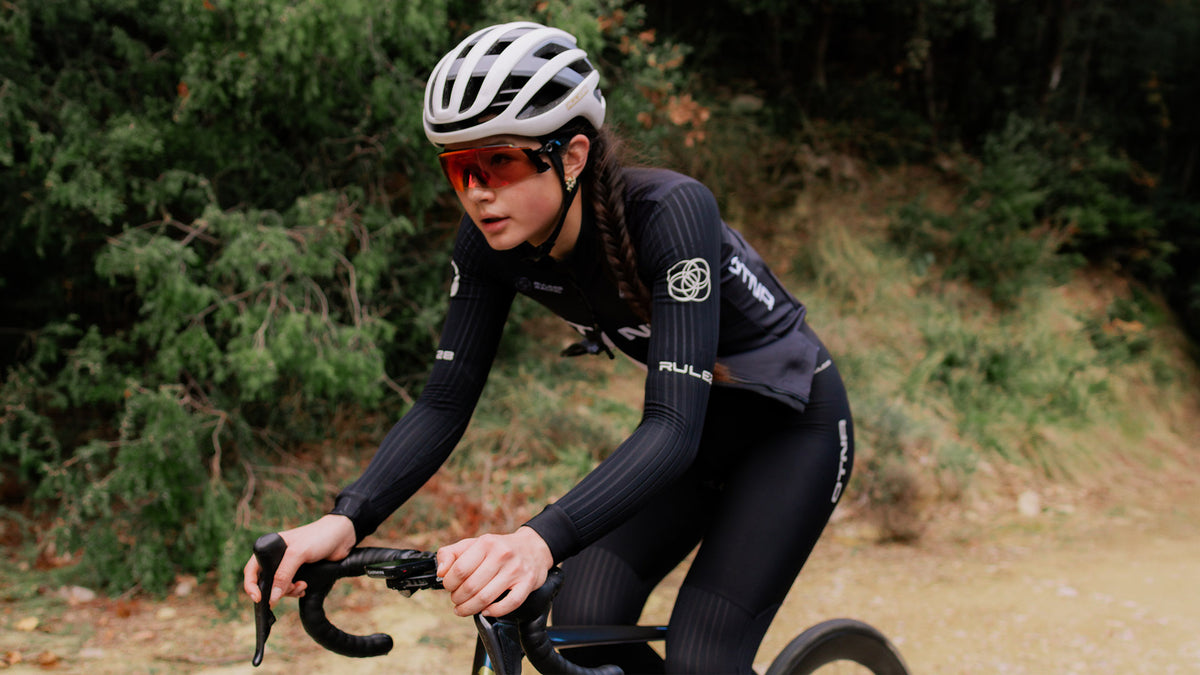
In high-level road racing, every watt saved translates directly into a better result. While training, nutrition, and bike technology dominate the conversation, the clothing a rider wears can be just as decisive. Aero cycling clothing is engineered to cut drag, improve comfort, and enhance power transfer, giving competitive cyclists a measurable edge without altering their riding style. This article breaks down the science behind aerodynamic apparel, outlines the specific benefits for racers, and highlights the key features that separate true performance gear from ordinary kits.
Understanding Aerodynamics in Cycling Apparel
Aerodynamic drag accounts for up to 90″?% of the resistance a cyclist faces at speeds above 25″?km/h. Clothing contributes to this drag through its shape, fabric texture, and fit. The goal of aero cycling clothing is to streamline the rider’s silhouette while maintaining flexibility and breathability.
How Fabric and Construction Reduce Drag
- Low-friction fibers: High-tech polyester blends create a smooth surface that lets air glide over the material rather than cling to it.
- Seamless or bonded panels: Eliminating traditional stitching removes turbulence-creating ridges.
- Strategic panel placement: Tighter panels around the torso and shoulders guide airflow, while looser zones around the hips preserve range of motion.
Fit and Geometry
- Compression fit: Compresses the body to a more aerodynamic profile without restricting breathing.
- Tailored cut: Reduces excess fabric that can flap and create drag, especially in cross-winds.
- Integrated components: Features such as elastic waistbands, drop-tail shorts, and low-profile zippers keep the rider’s line smooth.
Key Benefits for Competitive Riders
1. Quantifiable Speed Gains
Studies consistently show that a well-designed aero kit can shave 1-2″?% off a rider’s drag coefficient. On a flat 40″?km race, this translates to roughly a 30-second advantage, a margin that can decide podium placement. For riders seeking the best cycling upgrades, aerodynamic apparel is often the most cost-effective improvement after a bike frame upgrade.
2. Enhanced Power Transfer
Tight, compressive fabrics minimize fabric movement, allowing the rider’s muscles to work directly against the bike rather than against loose material. This subtle improvement can contribute to the cycling marginal gains that elite teams chase throughout a season.
3. Improved Thermoregulation
Modern aero kits incorporate micro-ventilation zones and moisture-wicking yarns. While the outer shell remains sleek, internal channels pull sweat away, keeping the rider cool during long, high-intensity efforts without compromising aerodynamics.
4. Reduced Fatigue Over Long Distances
By lowering wind resistance, the rider expends less energy maintaining target speeds. Over multi-hour events, the cumulative energy savings help preserve glycogen stores, allowing a stronger finish.
Choosing the Right Aero Cycling Gear
Not all aerodynamic apparel is created equal. When evaluating options, consider the following criteria to ensure the kit aligns with performance goals and personal comfort.
- Fit testing: Many manufacturers offer virtual fitting tools or in-store measurements. A proper fit is essential; a kit that is too tight can restrict breathing, while one that is too loose adds drag.
- Material durability: Look for fabrics that retain their compression after repeated washes. UV-resistant yarns extend the life of the kit, especially for riders training in sunny climates.
- Integrated accessories: Features like silicone-grip leg loops, reflective trims, and zip-off sleeves add functionality without sacrificing aerodynamics.
- Weight vs. performance: While ultra-light kits feel fast, a slightly heavier, well-structured jersey may offer better wind-blocking properties in gusty conditions.
Practical Applications in Race Scenarios
Flat Stage Sprints
During high-speed finishes, drag reduction is paramount. Riders wearing an aero cycling kit can maintain higher velocities with the same power output, positioning themselves better for the final sprint.
Time Trials
Time trialists benefit most from aerodynamic clothing because the effort is sustained and the rider’s position is already optimized. Pairing a tight-fitting jersey with a aero cycling apparel set of shorts maximizes the aerodynamic envelope.
Mountain Climbs
Although drag is less critical on steep climbs, a well-ventilated aero jersey still offers moisture management and a comfortable compression fit, helping the rider stay focused on power output.
Integrating Aero Clothing into a Complete Race Kit
A cohesive cycling race kit balances aerodynamics with visibility, comfort, and personal style. Complement the jersey and shorts with low-drag helmets, shoe covers, and gloves designed for aerodynamic cycling clothing. Matching colors and reflective details also enhance team identity without compromising performance.
Conclusion
For competitive cyclists, aero cycling clothing represents a strategic investment that delivers measurable speed, power, and efficiency gains. By understanding the science of fabric, fit, and construction, riders can select gear that aligns with their performance objectives and integrates seamlessly into a broader race preparation plan. Whether targeting marginal gains on a flat stage or seeking comfort during a long time trial, the right aerodynamic apparel can be the decisive factor that turns a good ride into a winning performance.
About the Author