Choosing the right cycling overshoes can feel like navigating a maze of materials, fits, and weather considerations. Whether pedaling through a rainy city commute, tackling a windy mountain descent, or simply protecting feet on a chilly morning ride, the overshoe you select directly influences comfort, performance, and safety. This guide breaks down the essential factors, fabric technology, fit, waterproofing, breathability, and styling, so riders of all levels can make an informed decision for any condition.
Understanding the Core Functions of Overshoes
Before diving into specific product features, it’s helpful to clarify what overshoes are designed to accomplish:
- Weather protection: Shield feet from rain, wind, and cold.
- Grip enhancement: Provide a secure connection between shoe and pedal, especially in wet conditions.
- Comfort maintenance: Reduce friction, prevent blisters, and keep feet dry.
- Performance boost: Minimize aerodynamic drag on high-speed rides.
Key Materials and Their Impact
Water-Resistant Fabrics
For riders who frequently encounter rain, a waterproof membrane such as Gore-Tex?? or a proprietary laminate is essential. These layers block water while allowing sweat vapor to escape, preventing a soggy interior.
Breathable Knit Options
In warm climates, a lightweight, breathable knit, often featuring micro-mesh panels, helps regulate temperature. Look for fabrics that balance wind resistance with airflow to avoid overheating.
Insulation Layers
Cold-weather overshoes incorporate thin insulation (e.g., fleece or Thinsulate??) without adding bulk. This keeps feet warm on winter rides while preserving pedal feel.
Fit and Sizing Considerations
- Measure the length and width of your cycling shoe; most brands provide a sizing chart.
- Choose an overshoe with a snug heel pocket to prevent slippage.
- Consider a stretchable cuff or elastic band for a secure seal around the ankle.
- Test the fit with the intended pedal system (clipless or flat) to ensure clearance.
Performance Features for Specific Conditions
Rain and Mud
When riding in wet environments, prioritize:
- Seam-taped construction to eliminate water entry points.
- High-traction silicone or rubber tread on the sole.
- Adjustable closures (Velcro straps or zip-ties) for a watertight seal.
For an in-depth look at rain-ready options, Discover expert strategies here.
Cold and Wind
Cold-weather rides demand a balance between insulation and breathability. Features to watch for include:
- Integrated wind-blocking panels.
- Thermal linings that stay flexible in sub-zero temperatures.
- Reflective details for low-light visibility.
More details on thermal designs can be found when you Learn about our tailored solutions.
High-Speed Aerodynamics
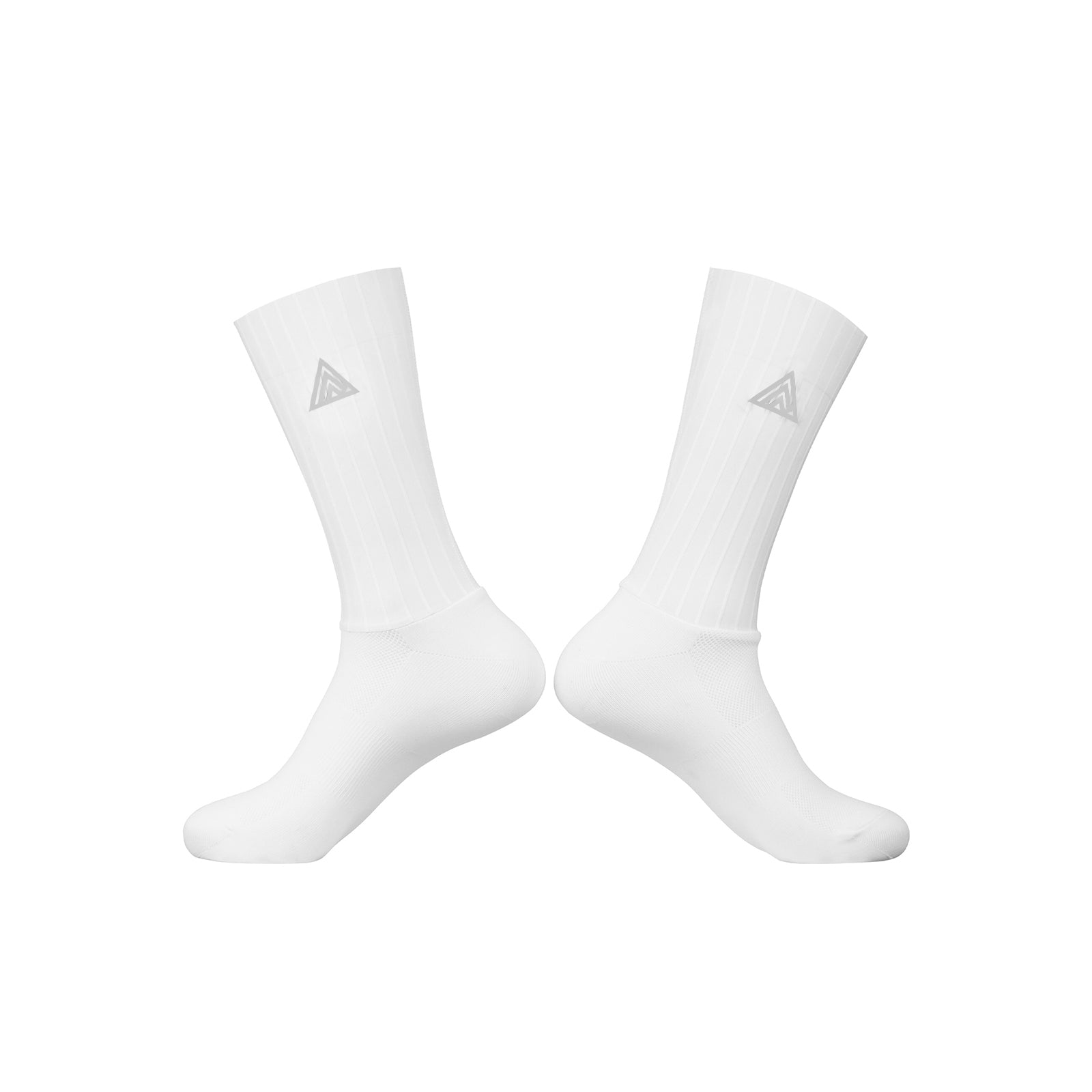
For time-trialists and triathletes, overshoes with a smooth, low-drag profile can shave seconds off a race. Look for:
- Seamless or laser-cut construction.
- Compressed fit that hugs the shoe without restricting movement.
- Minimalistic tread to reduce turbulence.
Explore aerodynamic models by Explore advanced guides and tips.
Maintenance and Longevity
Proper care extends the life of overshoes and maintains performance:
- Rinse off mud and grit after each ride; avoid high-heat drying.
- Use a mild detergent for machine-washable models, following the manufacturer’s instructions.
- Reapply waterproofing sprays if the membrane’s performance declines.
- Store in a cool, dry place away from direct sunlight.
Choosing the Right Pair for Your Riding Style
Match the overshoe to your typical riding conditions:
- Urban commuters: Waterproof, easy-on/off design with reflective accents.
- Road racers: Aerodynamic, low-profile models with precise pedal interface.
- Gravel and adventure riders: Durable, mud-spike tread and reinforced toe caps.
- Winter cyclists: Insulated, wind-proof versions with a snug cuff.
To see a curated selection that aligns with these categories, Find out more about this approach.
Final Checklist Before Purchase
- Identify primary weather conditions you’ll face.
- Confirm compatibility with your shoe and pedal system.
- Check material specifications for waterproofing, breathability, and insulation.
- Assess fit using sizing charts and, if possible, try-on options.
- Review maintenance requirements to ensure they fit your routine.
By systematically evaluating these factors, cyclists can select overshoes that not only protect against the elements but also enhance overall riding efficiency. The right pair becomes an invisible extension of the shoe, delivering confidence across every mile, rain or shine, heat or frost.
About the Author